
UN ESCAP Asia-Pacific Disaster Report 2025

1. What is the News?
The United Nations ESCAP released the Asia-Pacific Disaster Report 2025, titled “Rising Heat, Rising Risk”, warning that extreme heat is becoming the fastest-growing and most dangerous climate hazard in the Asia-Pacific region.
2. About the Report
-
Published by UN Economic and Social Commission for Asia and the Pacific (UN ESCAP).
-
Biennial flagship publication assessing disaster risks, climate trends, economic losses, and resilience gaps.
-
Focus of 2025 report: Heat-related hazards and cascading systems risks.
3. Key Findings
a) Extreme Heat Is the Fastest-Growing Disaster Risk
-
Heatwaves rising faster than floods, cyclones, and droughts.
-
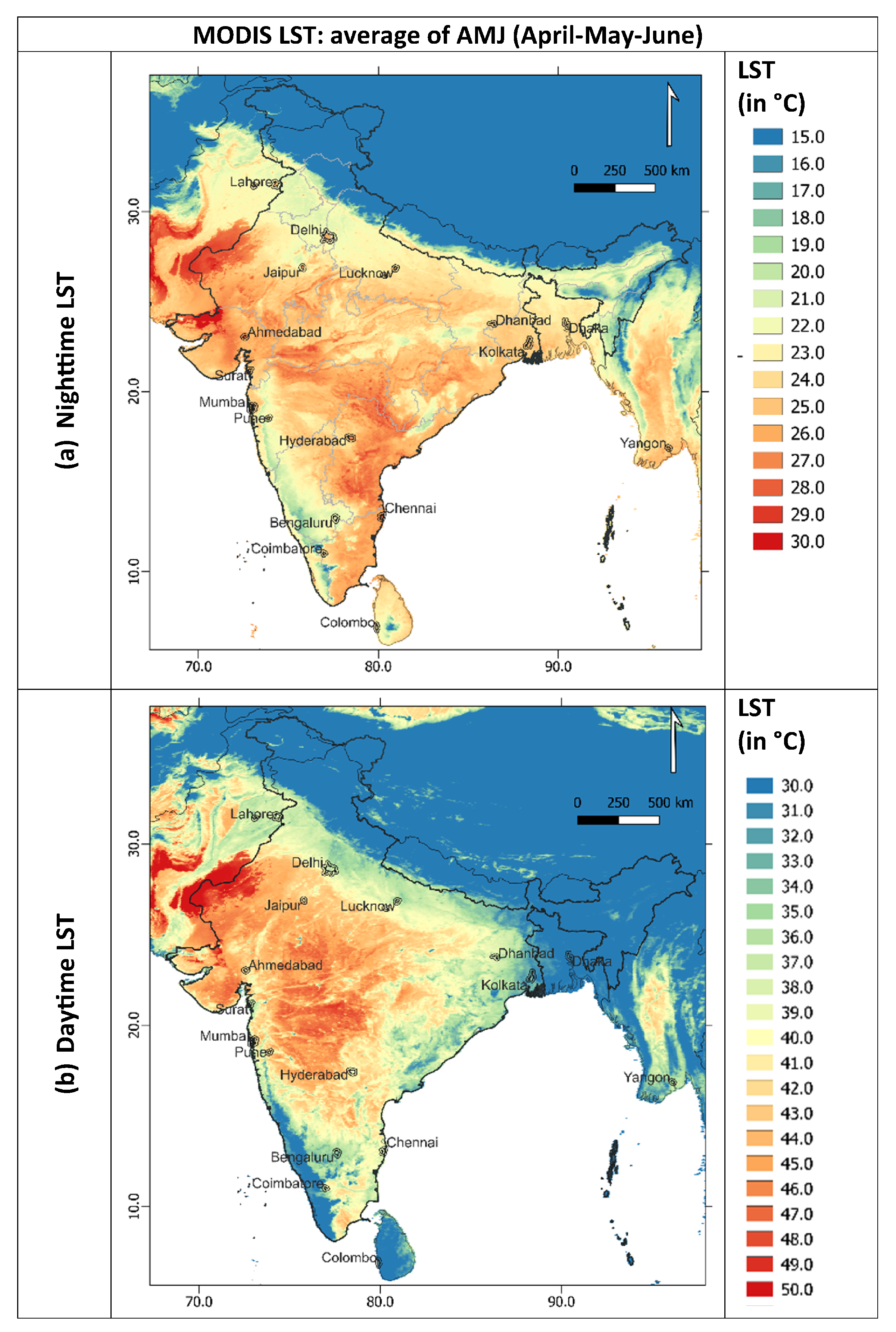
Megacities (Delhi, Dhaka, Karachi, Bangkok) may face 2–7°C higher temperatures due to Urban Heat Island effect.
b) South & Southwest Asia Most Vulnerable
-
300+ days per year may fall in dangerous heat index.
-
Outdoor workers, urban poor, elderly, and children at highest risk.
c) Cascading Impacts
-
Health systems under pressure — more heat stroke & heat-related deaths.
-
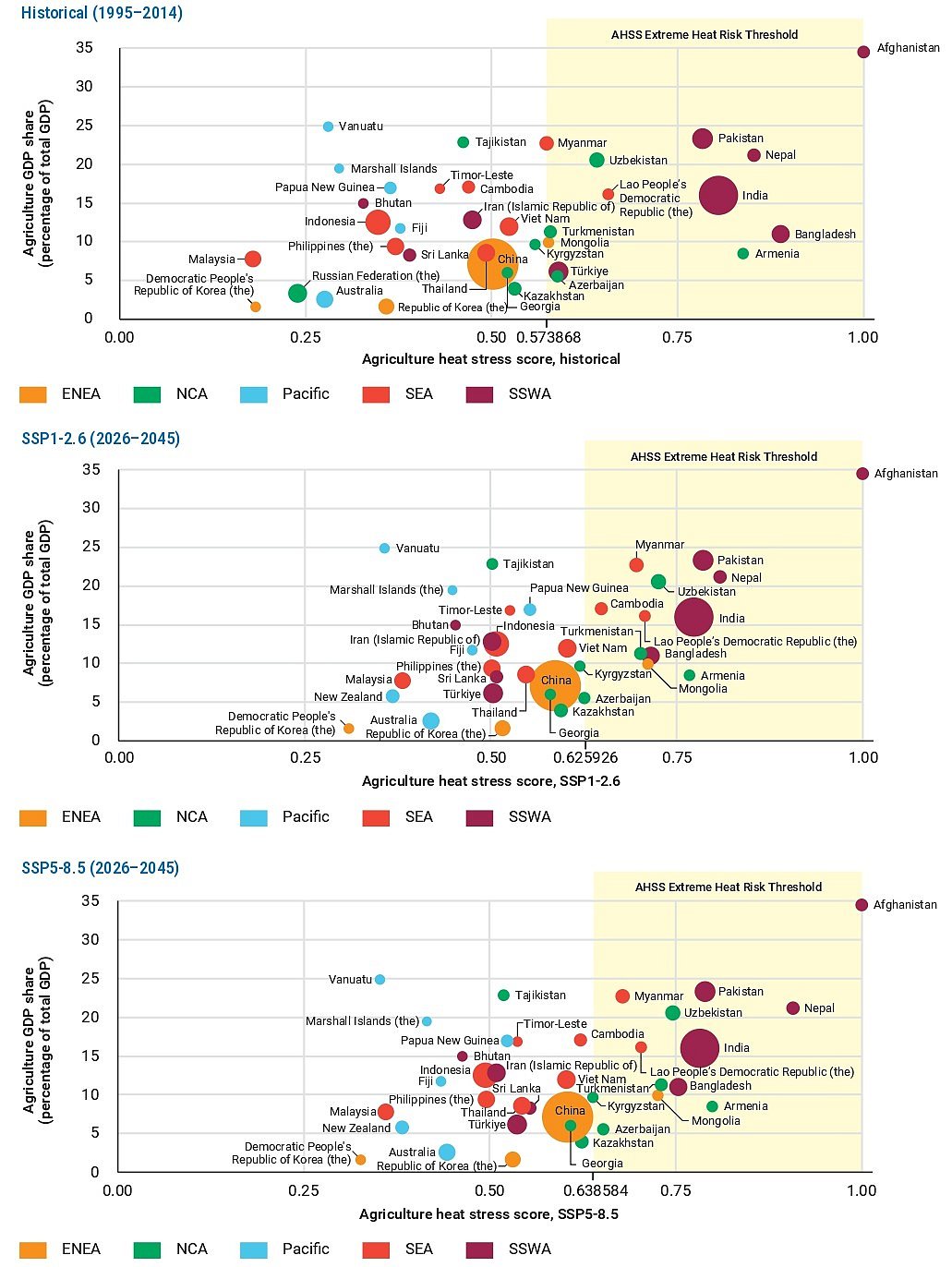
Agriculture losses, reduced labour productivity.
-
Water scarcity and energy demand spikes.
-
Increased poverty and inequality.
d) Economic Losses
-
Climate-induced disasters may cause up to 6% GDP loss annually in several Asia-Pacific economies if action is delayed.
4. India-Specific Relevance
-
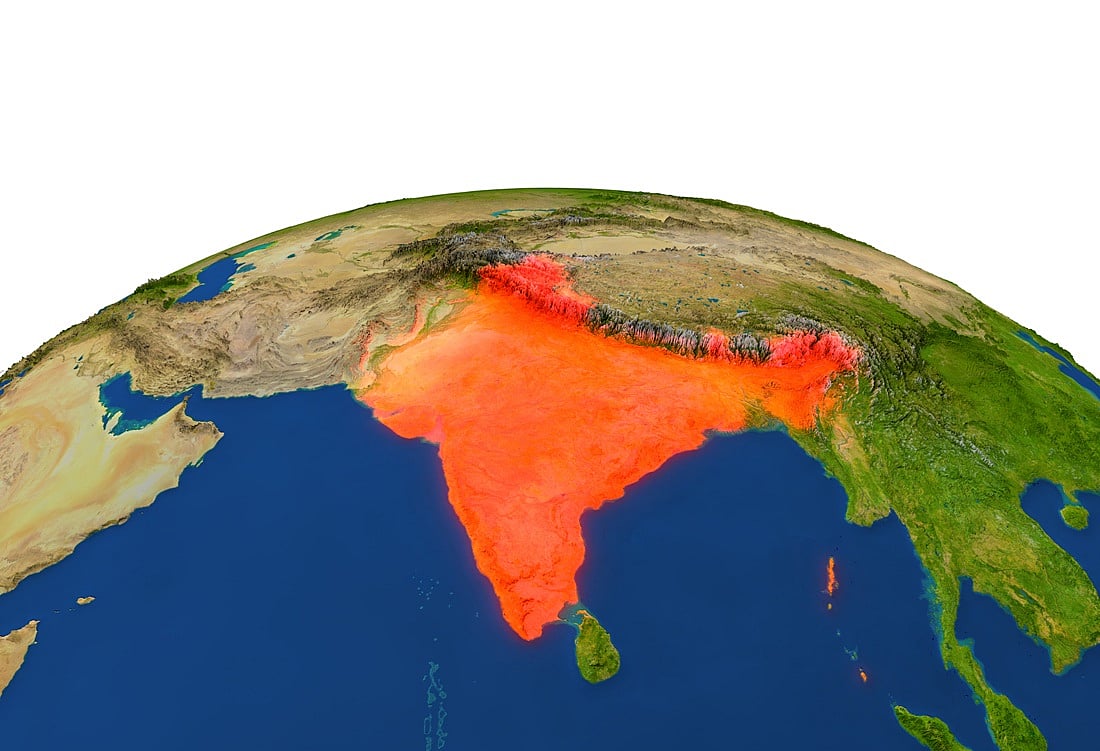
India identified as a severe high-risk zone for rising heat.
-
Megacities like Delhi, Mumbai, Kolkata, Chennai flagged for long heatwave seasons.
-
Risks to:
-
Urban slum populations,
-
Agriculture (reduced yields),
-
Water systems (depletion),
-
Energy infrastructure.
-
5. Recommendations by the Report
a) Transformative Adaptation
-
Increase green cover, reflective roofs, climate-resilient city planning.
b) Strengthen Early Warning Systems
-
Heatwave forecasting, real-time alerts, localised risk mapping.
c) Reduce Vulnerability
-
Social protection for outdoor workers, low-income households.
-
Access to cooling centres, water availability, healthcare strengthening.
d) Regional Cooperation
-
Shared climate data, funding mobilization, cross-border risk management.
Your article helped me a lot, is there any more related content? Thanks!